

CPEC’s Evolving Landscape: Insights on Governance, Sustainability, and Regional Cooperation
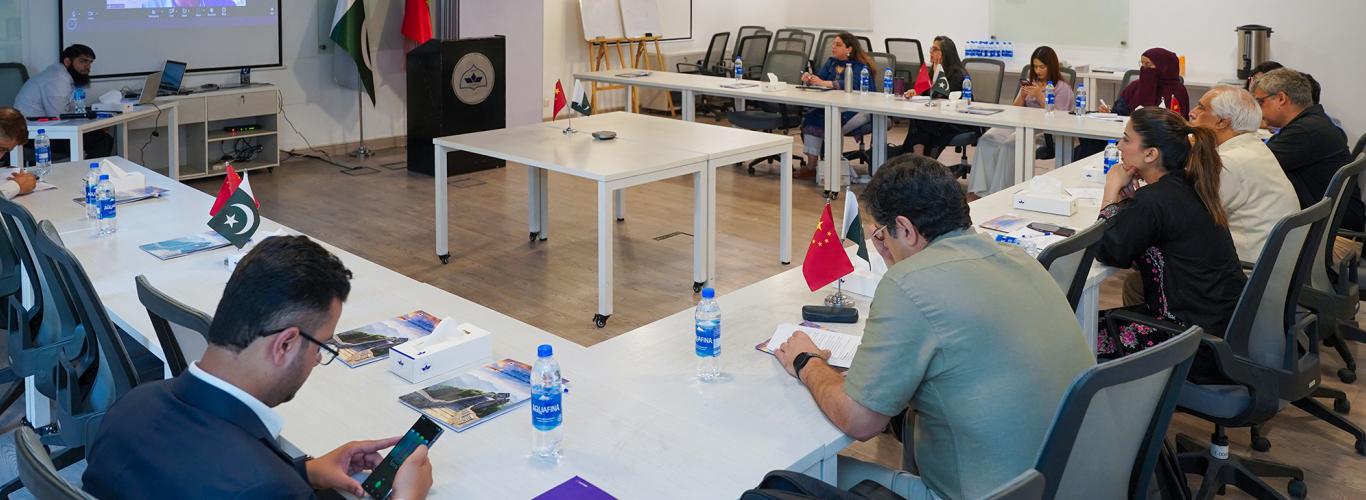
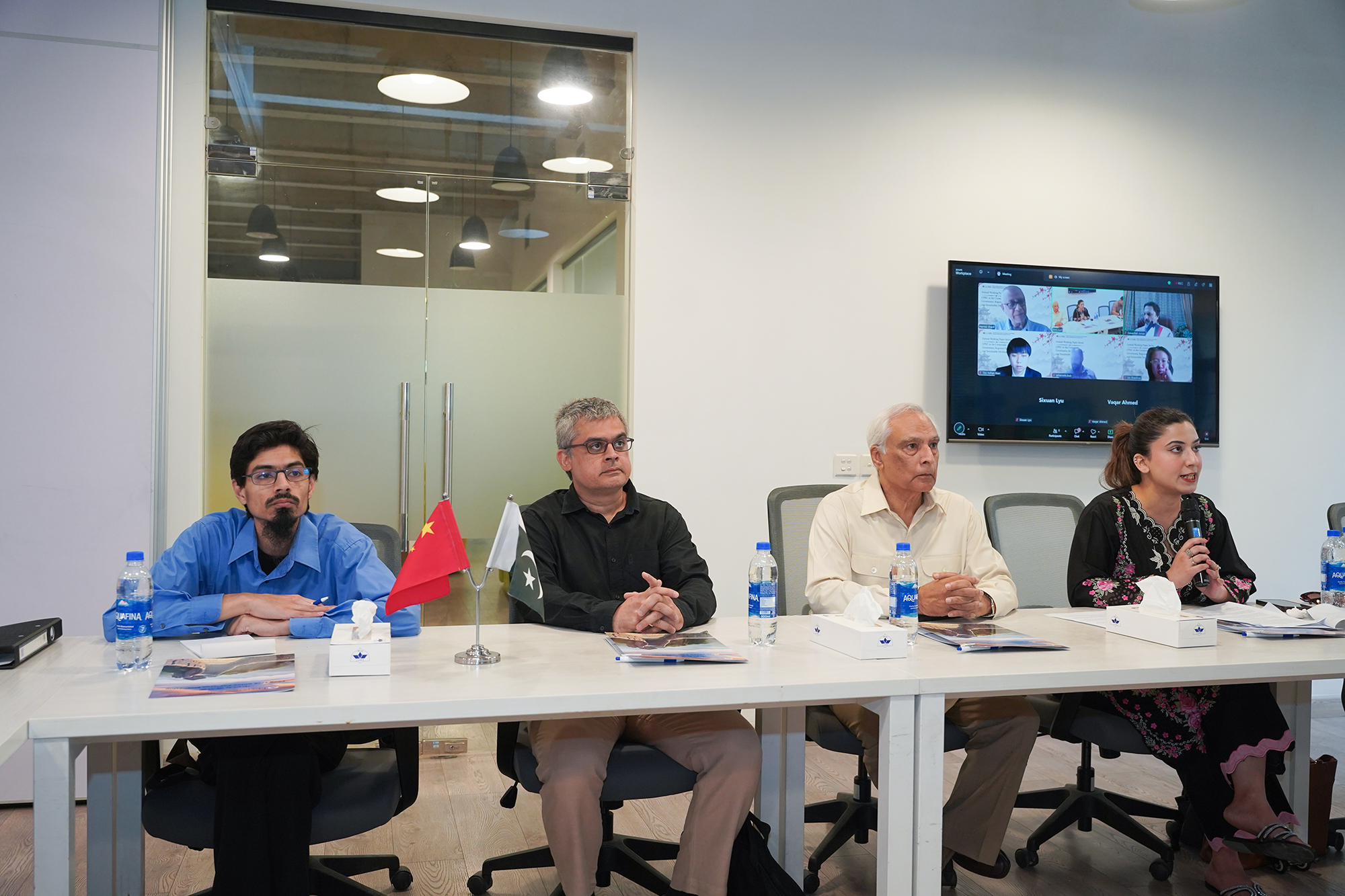
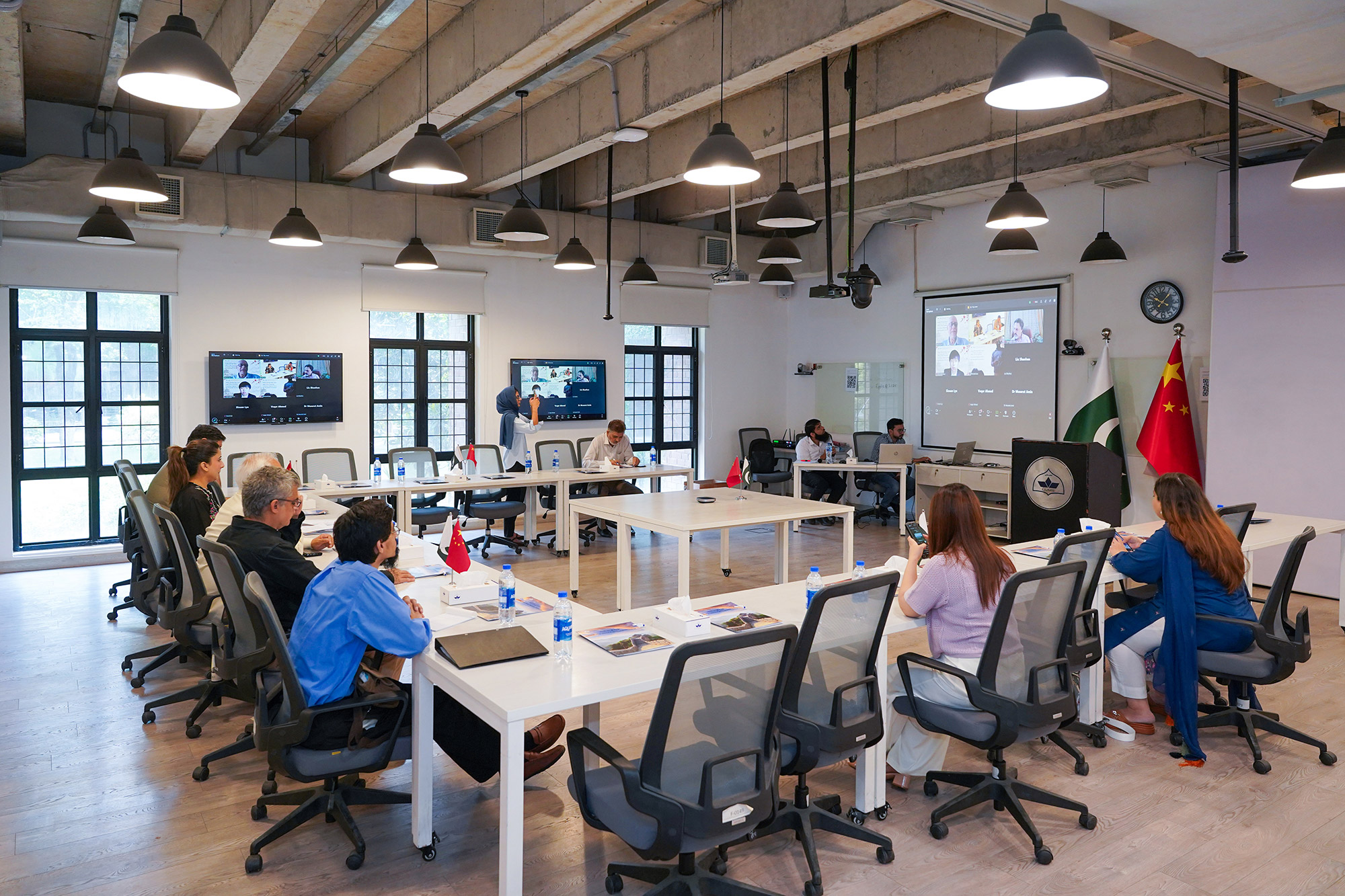
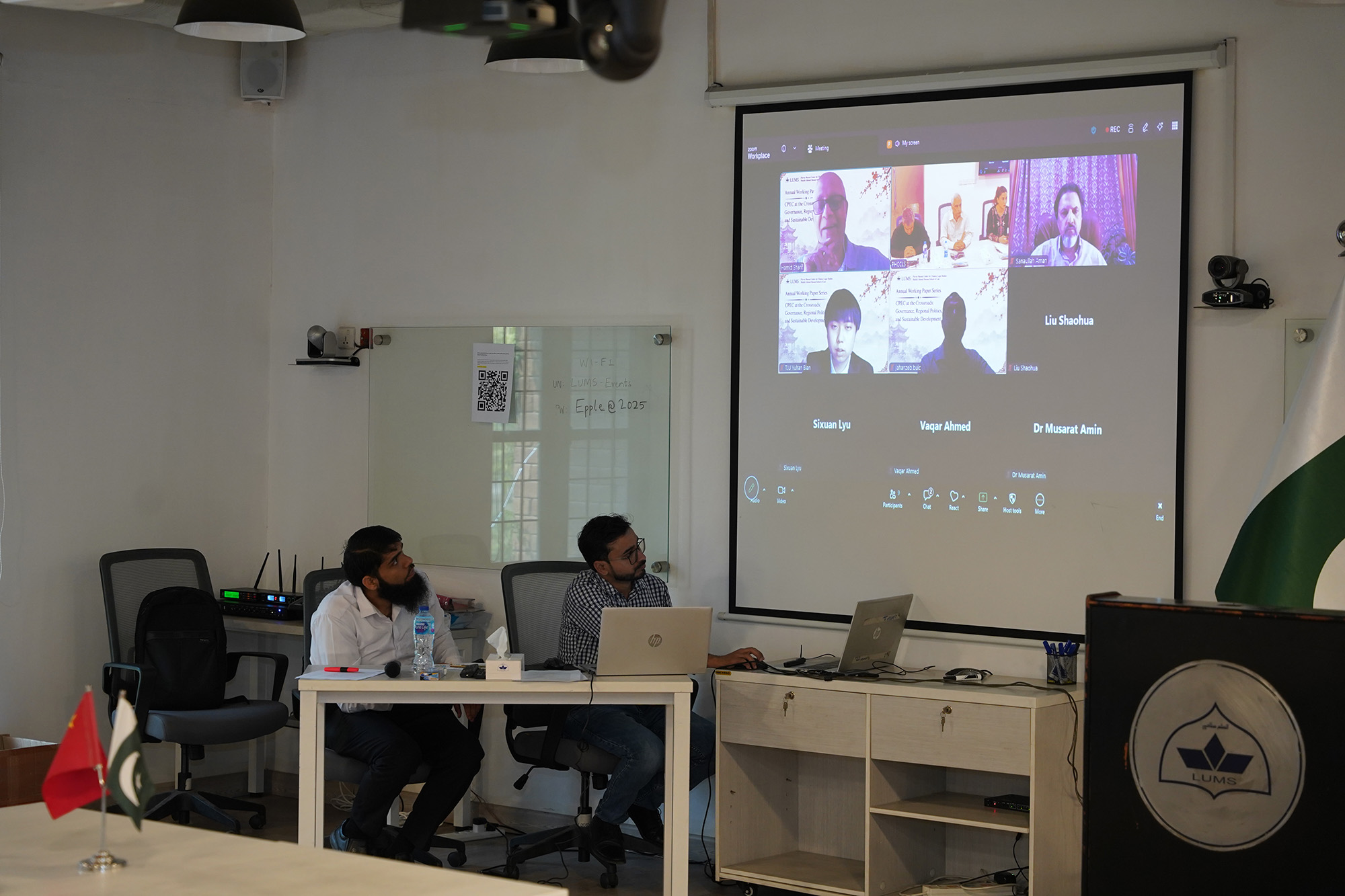
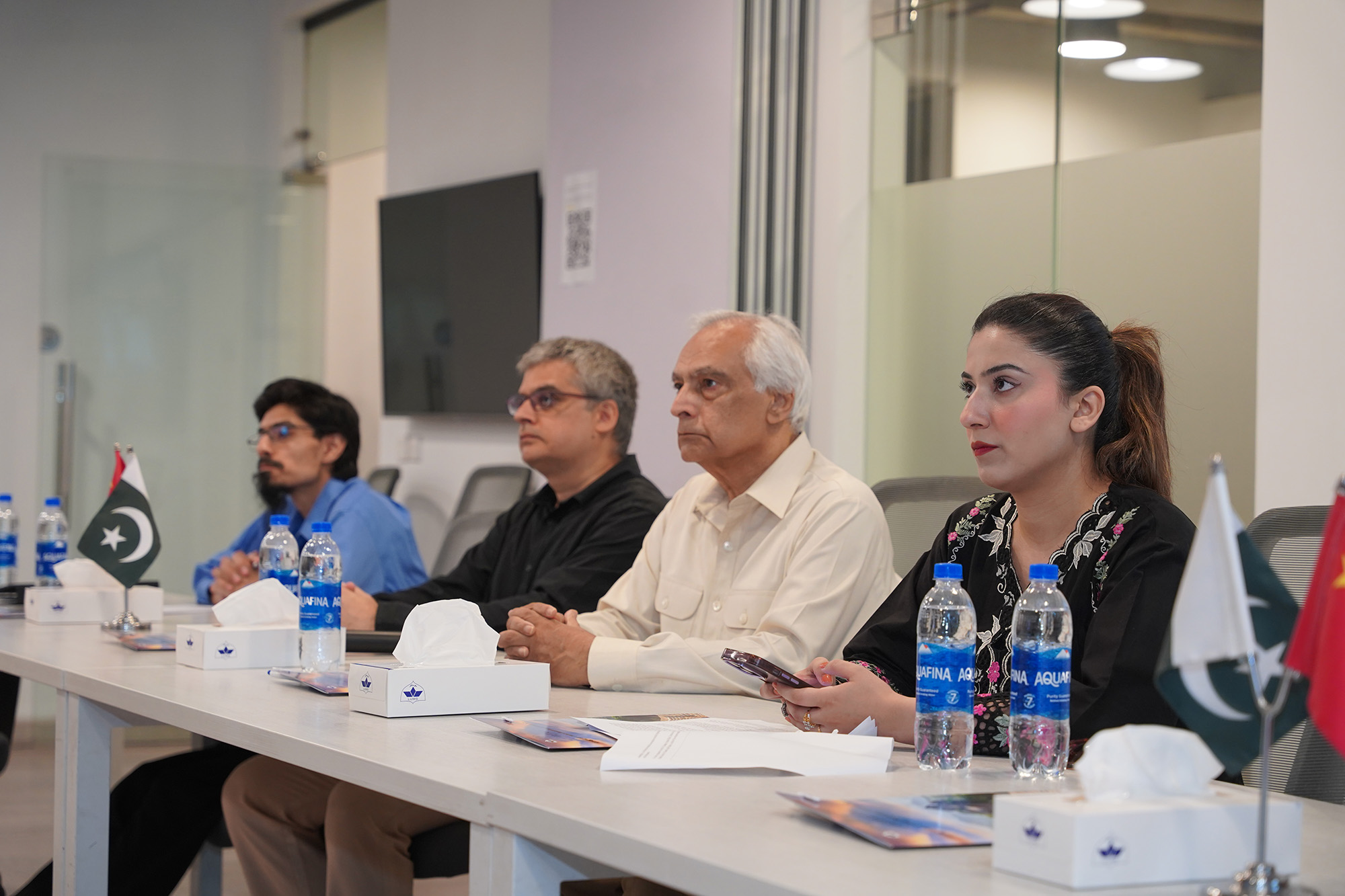
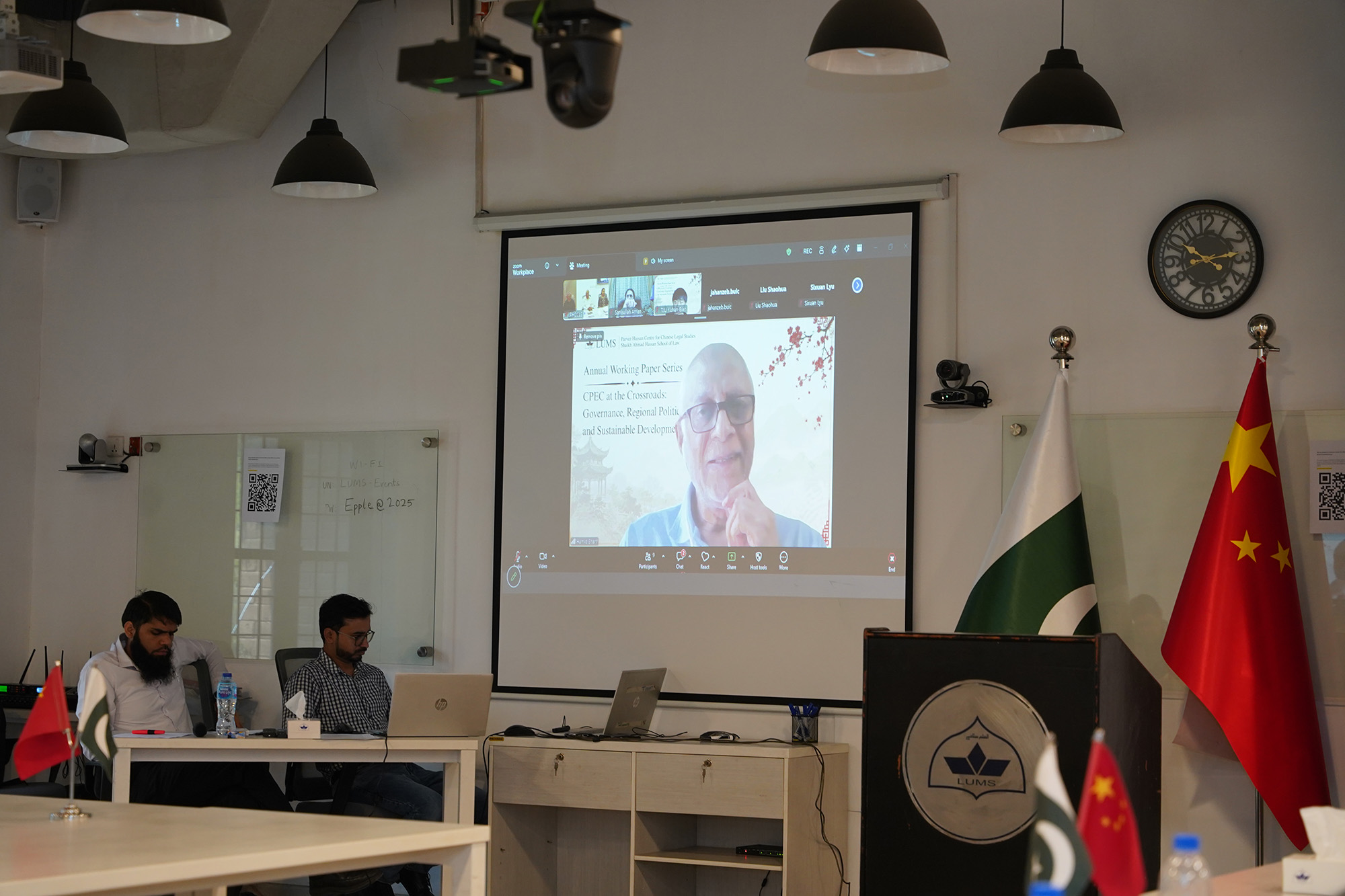
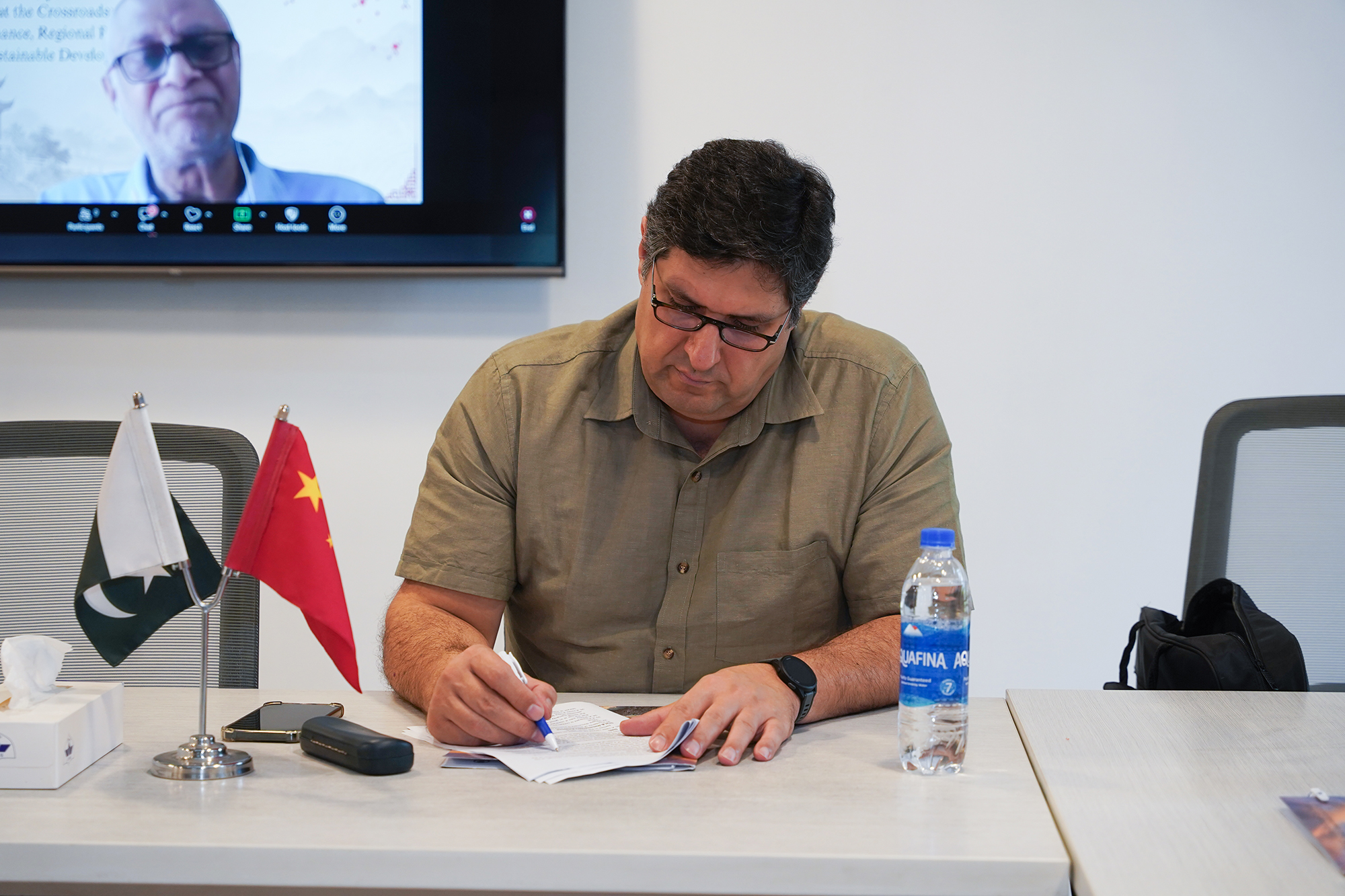
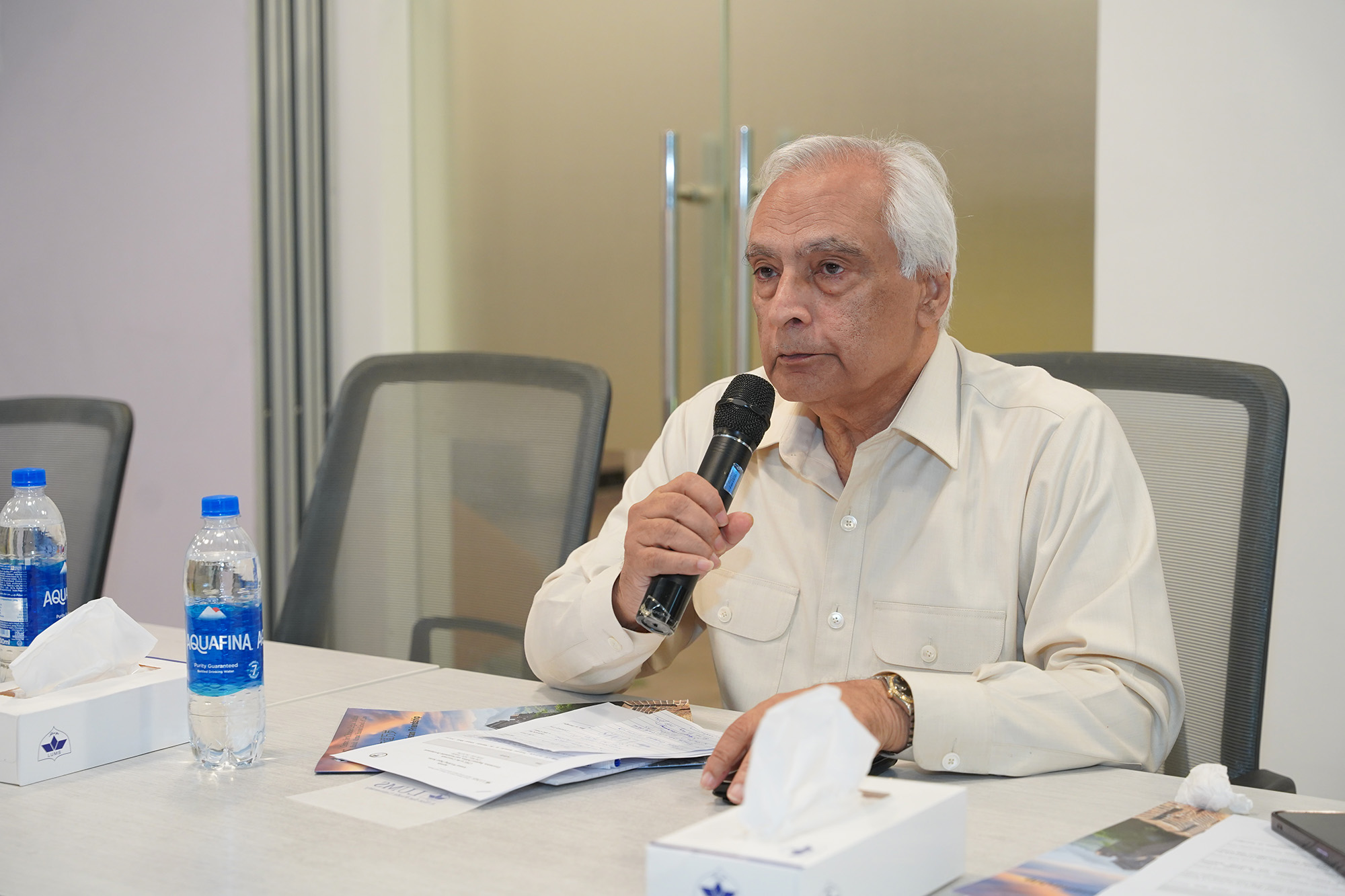
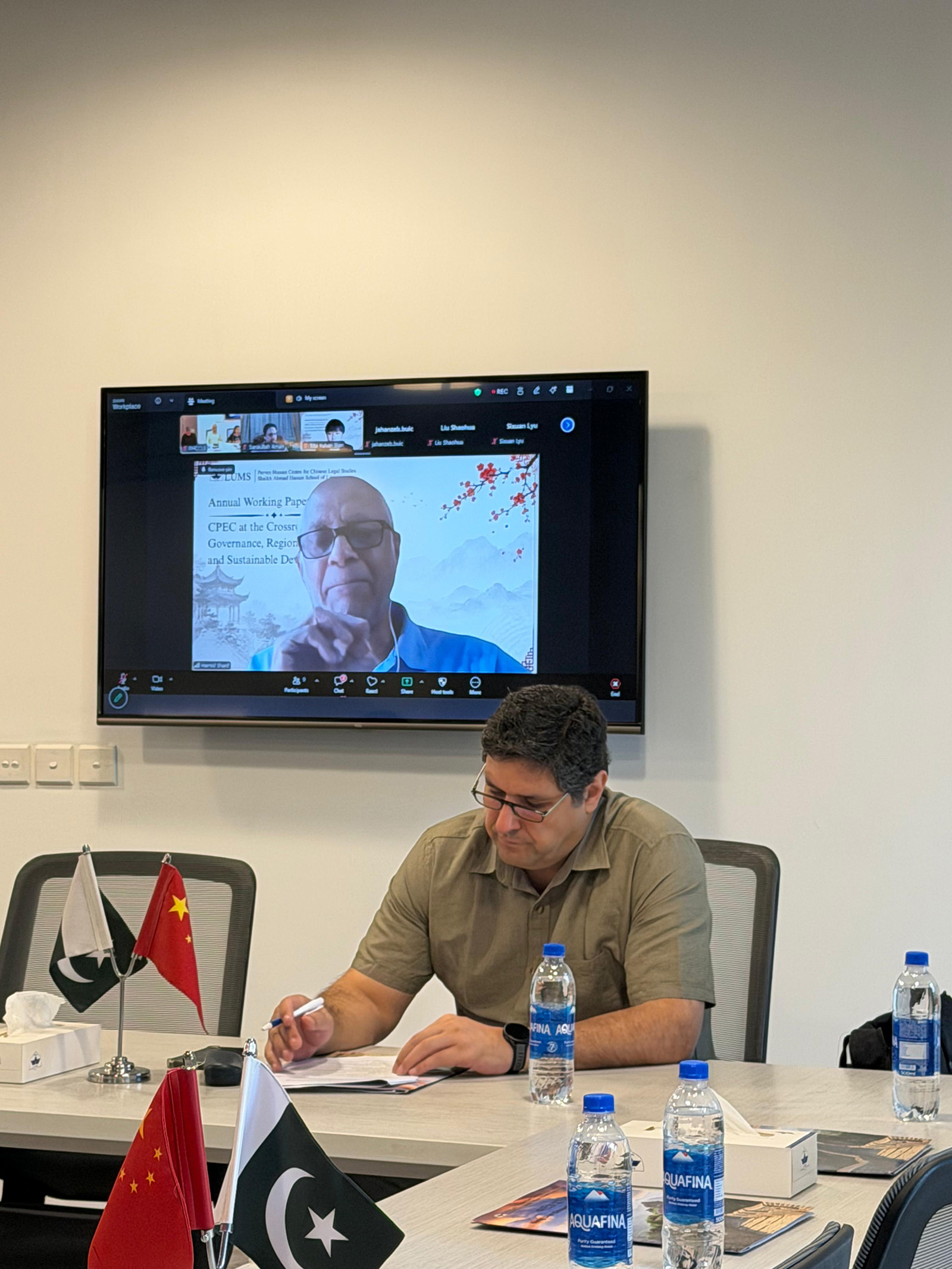
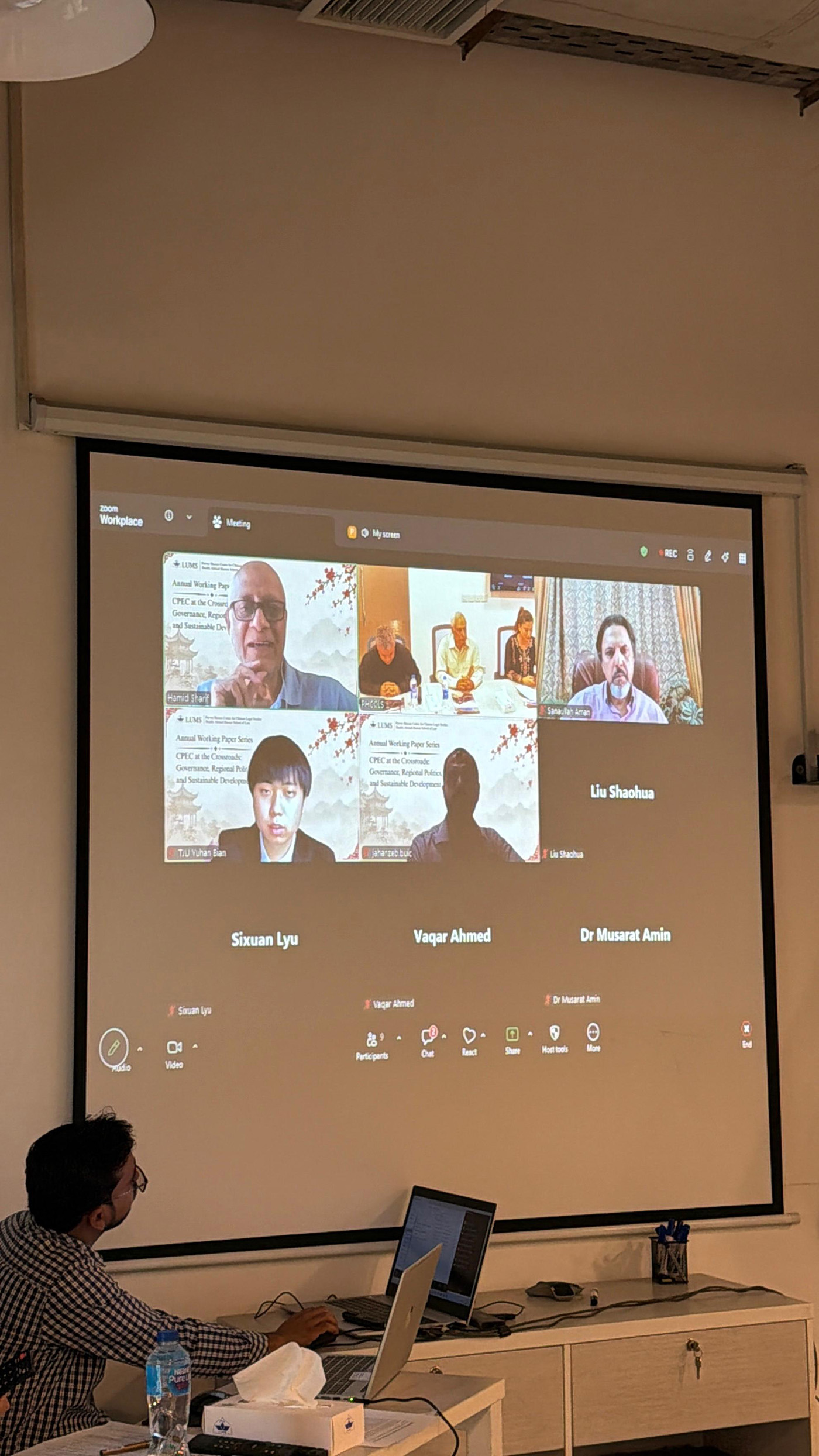
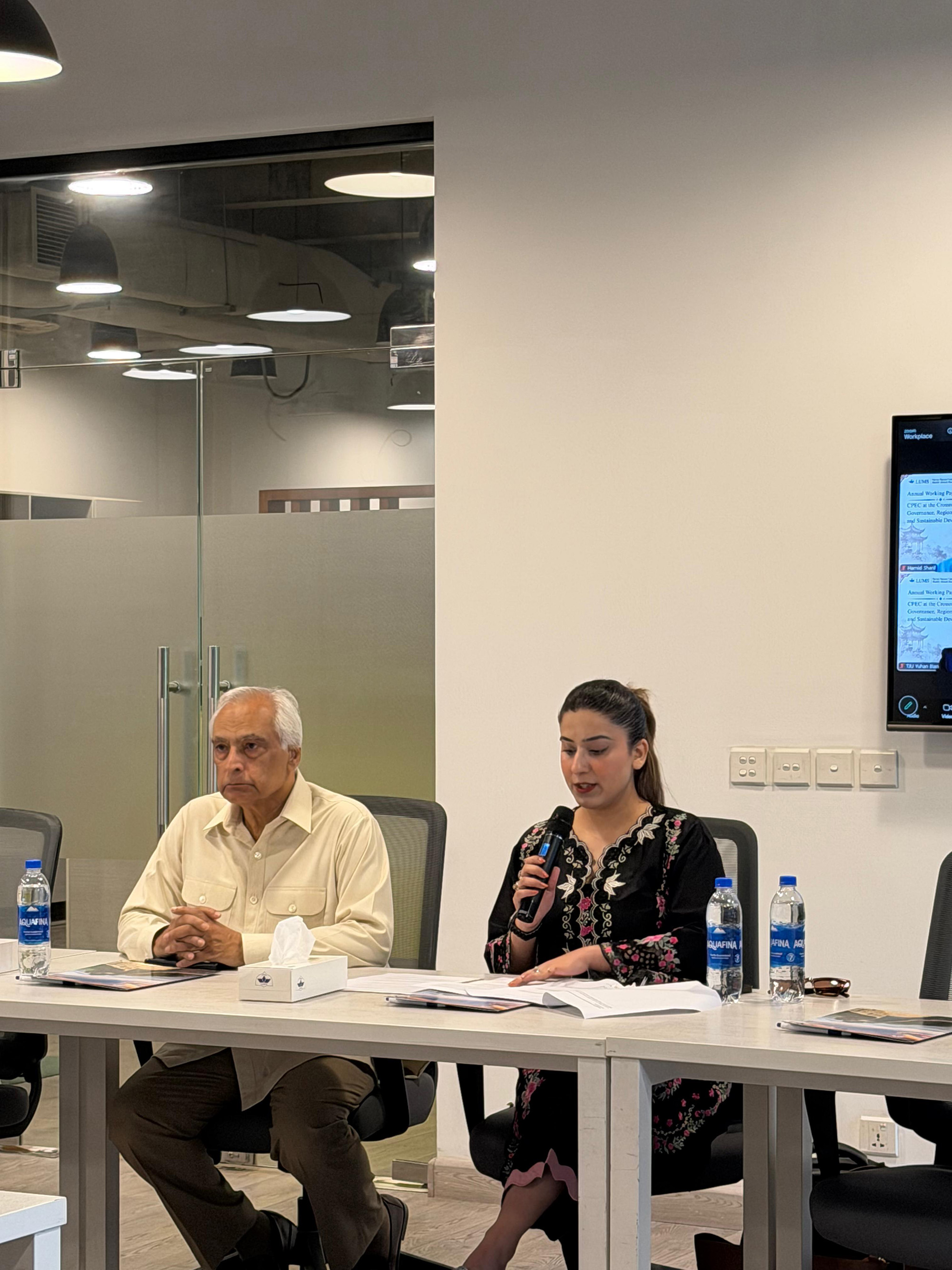
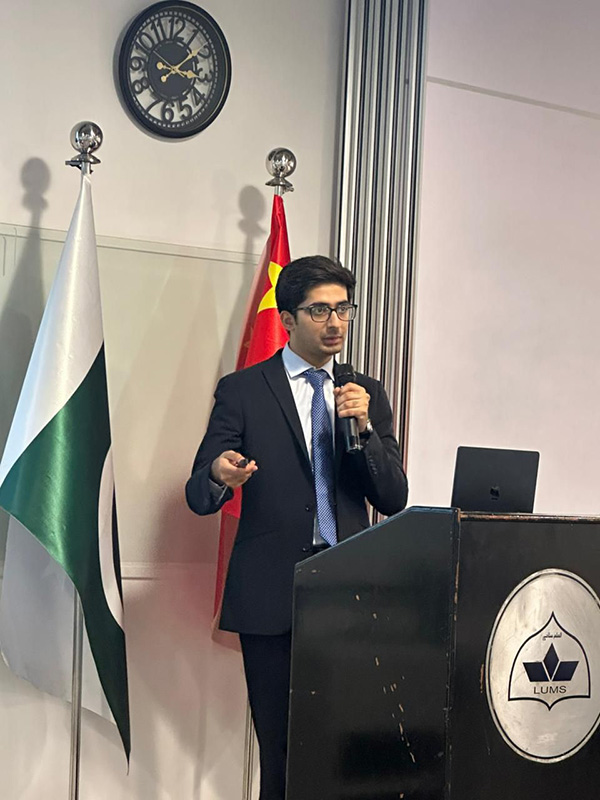
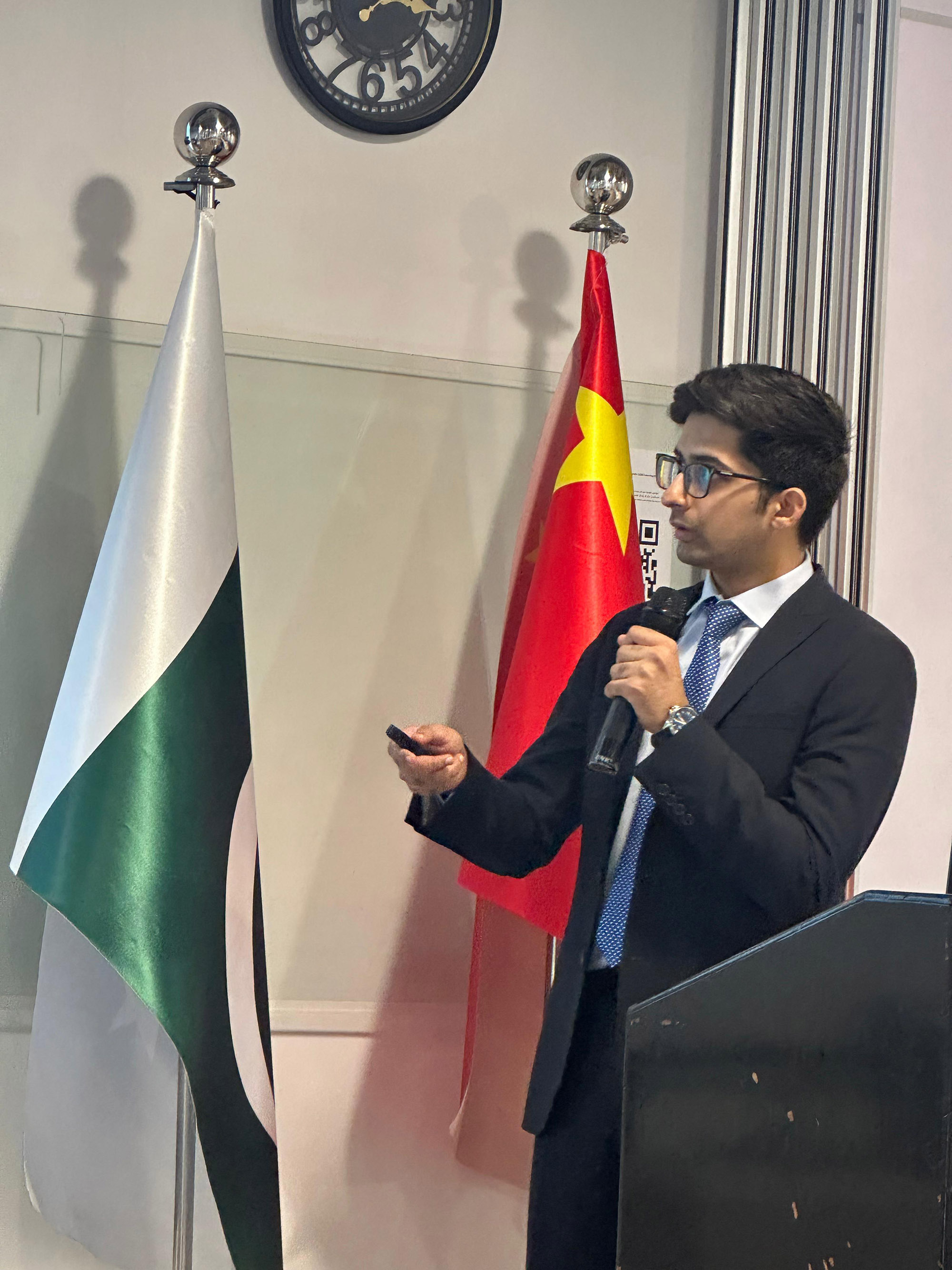
On 12th May 2026, the Parvez Hassan Centre for Chinese Legal Studies (PHCCLS) at the Shaikh Ahmad Hassan School of Law (SAHSOL), LUMS organized the Annual Working Paper Series 2026, centered on the theme “CPEC at the Crossroads: Governance, Regional Politics, and Sustainable Development.” The series brought together senior stakeholders from government, diplomacy, academia, policy research, and early-career researchers to engage in focused discussions on the evolving challenges and opportunities surrounding CPEC.
The workshop was part of the Centre's ongoing efforts to promote informed dialogue, critical discussion, and nuanced understanding of the CPEC and the Belt and Road Initiative (BRI), with a focus on their implications for Pakistan's development trajectory. By convening leading experts and scholars, the workshop aimed to foster a deeper understanding of the complex dynamics surrounding CPEC, including its transformative potential.
Mr. Hamid Sharif, Senior Partner at Samdani Qureshi Aqlaal, President of the Global Think Tank Network, and Former Managing Director of the Complaints, Evaluation and Integrity Unit (CEIU) at the Asian Infrastructure Investment Bank (AIIB), delivered the keynote address. He shared insights on the evolving role of CPEC in promoting regional connectivity, sustainable development, and strengthened economic cooperation.
The session featured insightful presentations from distinguished speakers. Ambassador Jauhar Saleem, President of the Institute of Regional Studies, presented on “Inclusive Growth through CPEC: Empowering Local Communities and Reducing Regional Inequalities.” He highlighted the importance of inclusive development strategies and emphasized the need to ensure that CPEC’s benefits reach local communities while addressing regional disparities.
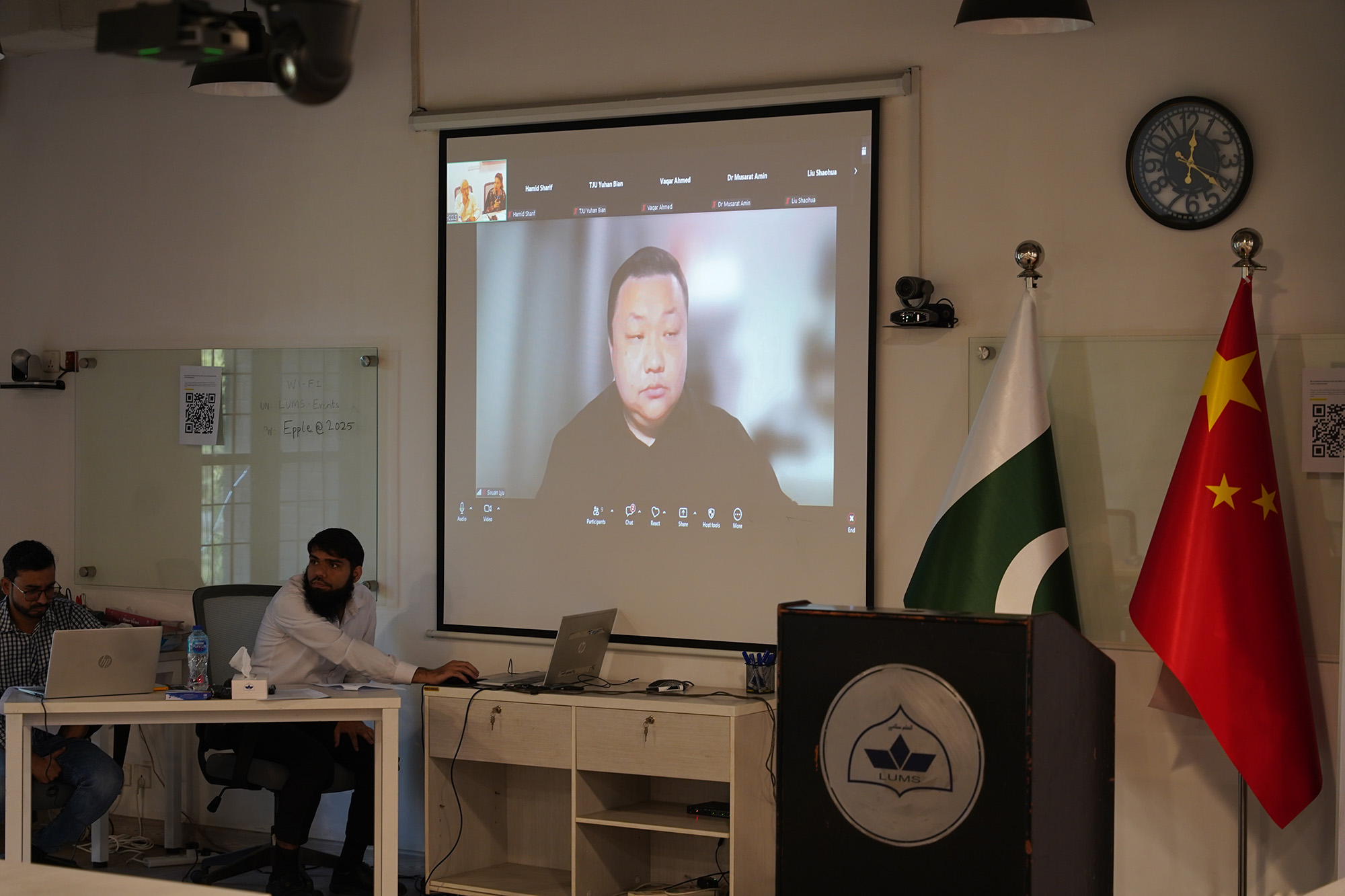
Professor Sixuan Lyu, Assistant Professor at Tianjin University Law School, presented on “Research on the Cultivation of Foreign-Related Legal Talents under Spatial Intelligence.” His presentation explored the evolving requirements of legal education and the importance of developing specialized legal professionals equipped to address emerging challenges in international and technology-driven legal environments.
Dr. Adam Saud, Dean of the Faculty of Humanities and Social Sciences at Bahria University, Islamabad, presented on “Climate Interdependence and Regional Security: Advancing Cooperation between Central and South Asia.” He examined the interconnected nature of climate challenges and regional security, emphasizing the need for enhanced cooperation between Central and South Asian countries.
Liu Shaohua, Faculty at Tianjin College, University of Science and Technology Beijing, presented on “Research on Technology Transfer and Intellectual Property Protection Mechanisms for Green Infrastructure in the CPEC from the Perspective of the Eco-Environmental Code.” Her presentation focused on the role of technology transfer and intellectual property protection in supporting sustainable infrastructure development under CPEC.
Dr. Beenish Sultan, Affiliate Researcher at the CPEC Secretariat and Former Assistant Professor at BUITEMS, Quetta, presented on “CPEC, Balochistan and Regional Insecurity: An Analytical Discourse.” She examined the challenges and opportunities surrounding CPEC in Balochistan, highlighting the importance of addressing regional security concerns and promoting inclusive development.
Dr. Vaqar Ahmed, Research Fellow at the Partnership for Economic Policy (PEP), Nairobi, presented on “The Human Dimensions of the Economic Corridors: Strengthening Local Enterprise as a Foundation for Sustainable Outcomes in Balochistan.” He emphasized the role of local enterprises and community participation in ensuring sustainable outcomes from economic corridors.
Dr. Musarat Amin, Associate Professor at the Jinnah School of Public Policy and Leadership (JSPPL), National University of Sciences and Technology (NUST), Islamabad, presented on “Mainstreaming Gender in CPEC: A Policy Review of Vocational Training Frameworks for Women’s Empowerment in Punjab.” Her presentation examined the role of vocational training initiatives in enhancing women’s participation and empowerment within the socio-economic landscape shaped by CPEC.
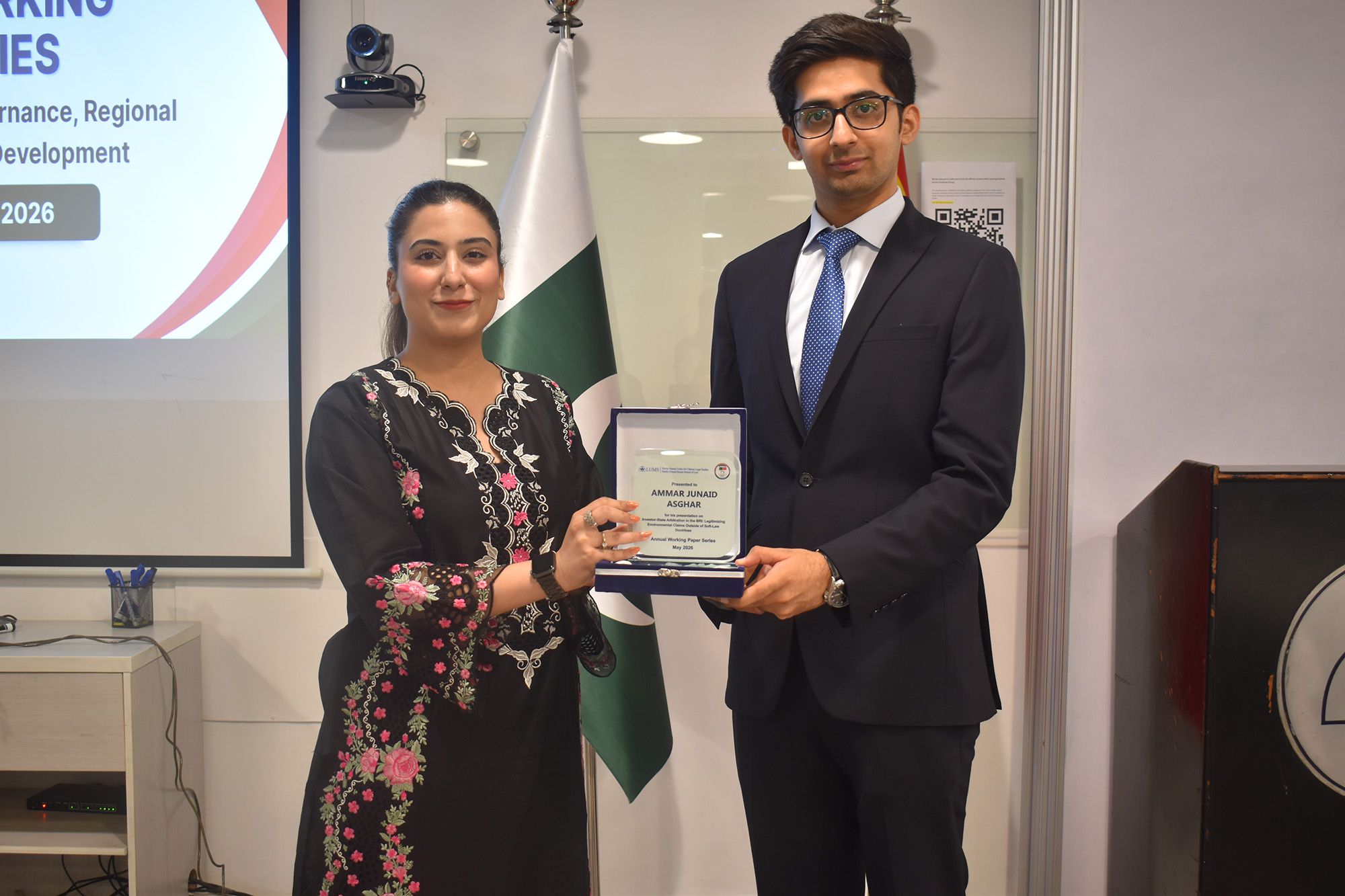
Ammar Junaid Asghar, Associate at RIAA Barker Gillette (Lahore) and Research Assistant to Honourable Justice (Retd.) Mansoor Ali Shah, together with Qifan Jiang, LLM (Leiden University) and MSc International Law candidate at East China University of Political Science and Law, presented on “Investor-State Arbitration in the BRI: Legitimizing Environmental Claims Outside of Soft-Law Doctrines.” Their research explored the relationship between investment arbitration, environmental claims, and the evolving legal frameworks surrounding Belt and Road Initiative projects.
Dr. Sanaullah Aman, Chief Executive Officer of Saarosh ADR Centre, presented on “Designing a Specialized ADR Framework for CPEC Disputes: Strengthening Investor Confidence and Cross-Border Legal Cooperation.” He discussed the significance of developing effective alternative dispute resolution mechanisms to enhance investor confidence and support smoother legal cooperation within CPEC-related projects.
Dr. M. Jahanzeb Butt, Assistant Professor at Bahria University Law School, Islamabad, presented on “Harmonising CPEC Maritime Infrastructure with the UNCLOS Framework.” He discussed the importance of aligning CPEC’s maritime infrastructure development with international maritime legal frameworks and global governance standards.
Yuhan Bian, LLB Candidate at Tianjin University Law School, presented on “Research on the Qualification Identification of 3D Spatial Reconstruction Evidence under Spatial Intelligence.” His research explored emerging legal questions surrounding the recognition and assessment of digital evidence generated through advanced spatial intelligence technologies.
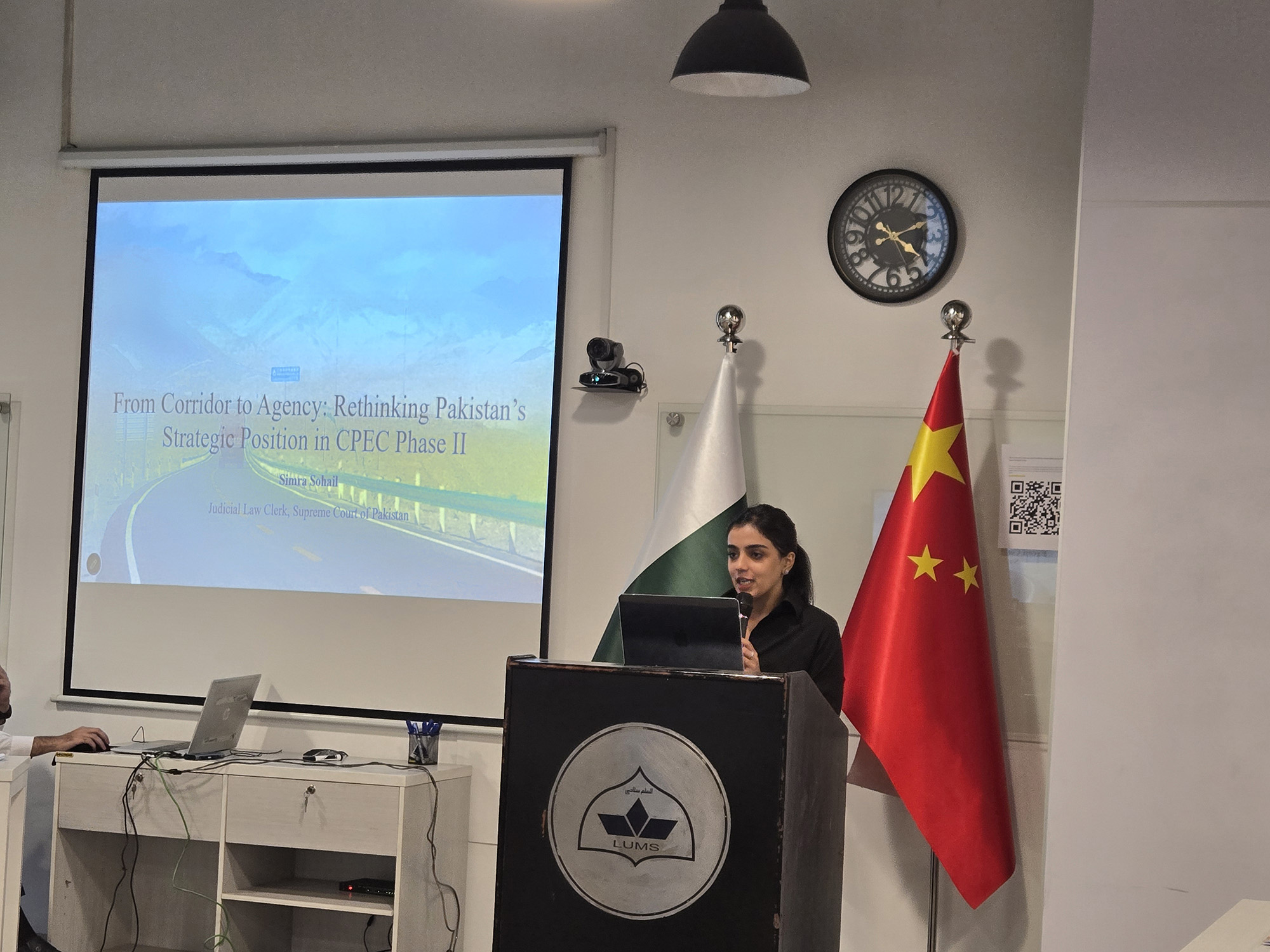
Simra Sohail, Judicial Law Clerk at the Supreme Court of Pakistan to Honourable Justice Shafi Siddiqui, presented on “From Corridor to Agency: Rethinking Pakistan’s Strategic Position in CPEC Phase II.” She examined Pakistan’s evolving strategic role within CPEC Phase II and highlighted the importance of strengthening national agency and policy direction.
The final presentation by Jiahui Li, LLB Candidate at Tianjin University Law School, was on “Research on the Legal Regulation of Cross-Border Generative Engine Optimization Poisoning in Artificial Intelligence.” Her research addressed emerging legal challenges associated with artificial intelligence technologies and the need for effective regulatory approaches in cross-border digital environments.
The session received appreciation for bringing together diverse perspectives from law, public policy, international relations, economics, technology, and regional studies. The discussions highlighted the importance of interdisciplinary research and sustained collaboration between academic institutions, policymakers, and practitioners in shaping informed, resilient, and forward-looking approaches toward CPEC and broader regional development strategies.