

Building a Collaborative Future for Shared Rivers in Asia
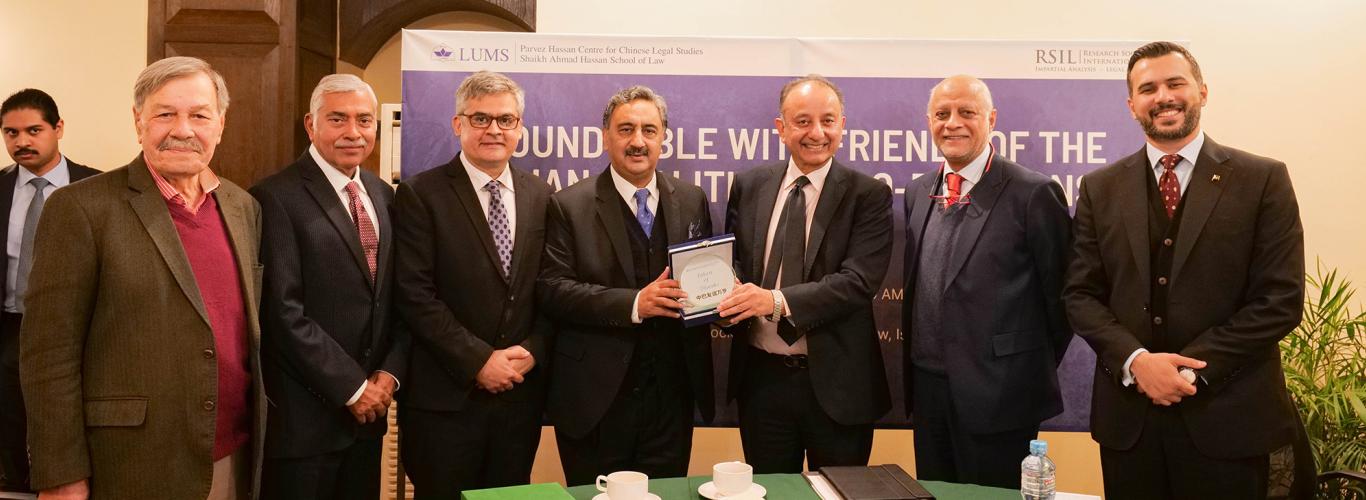
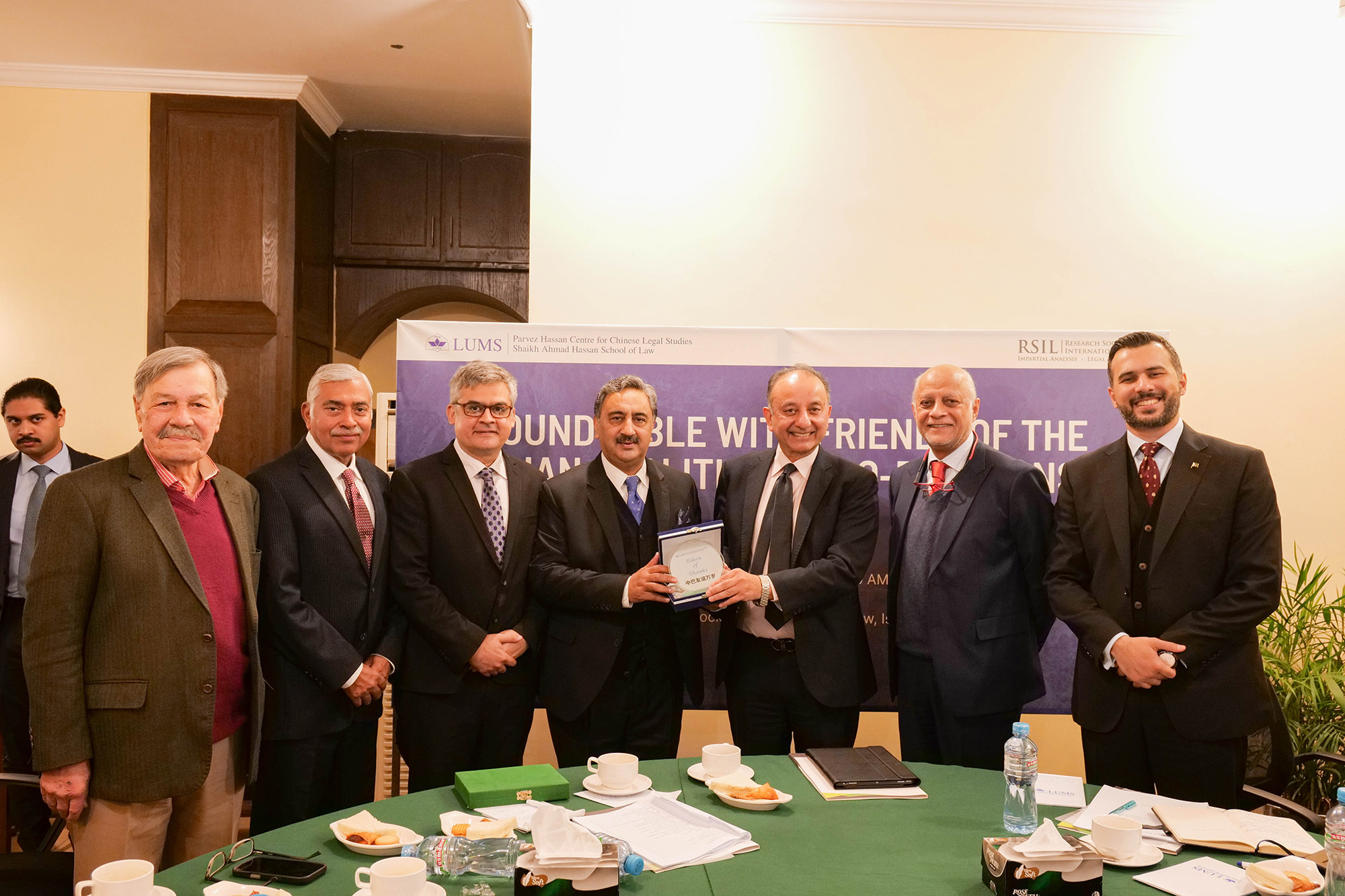
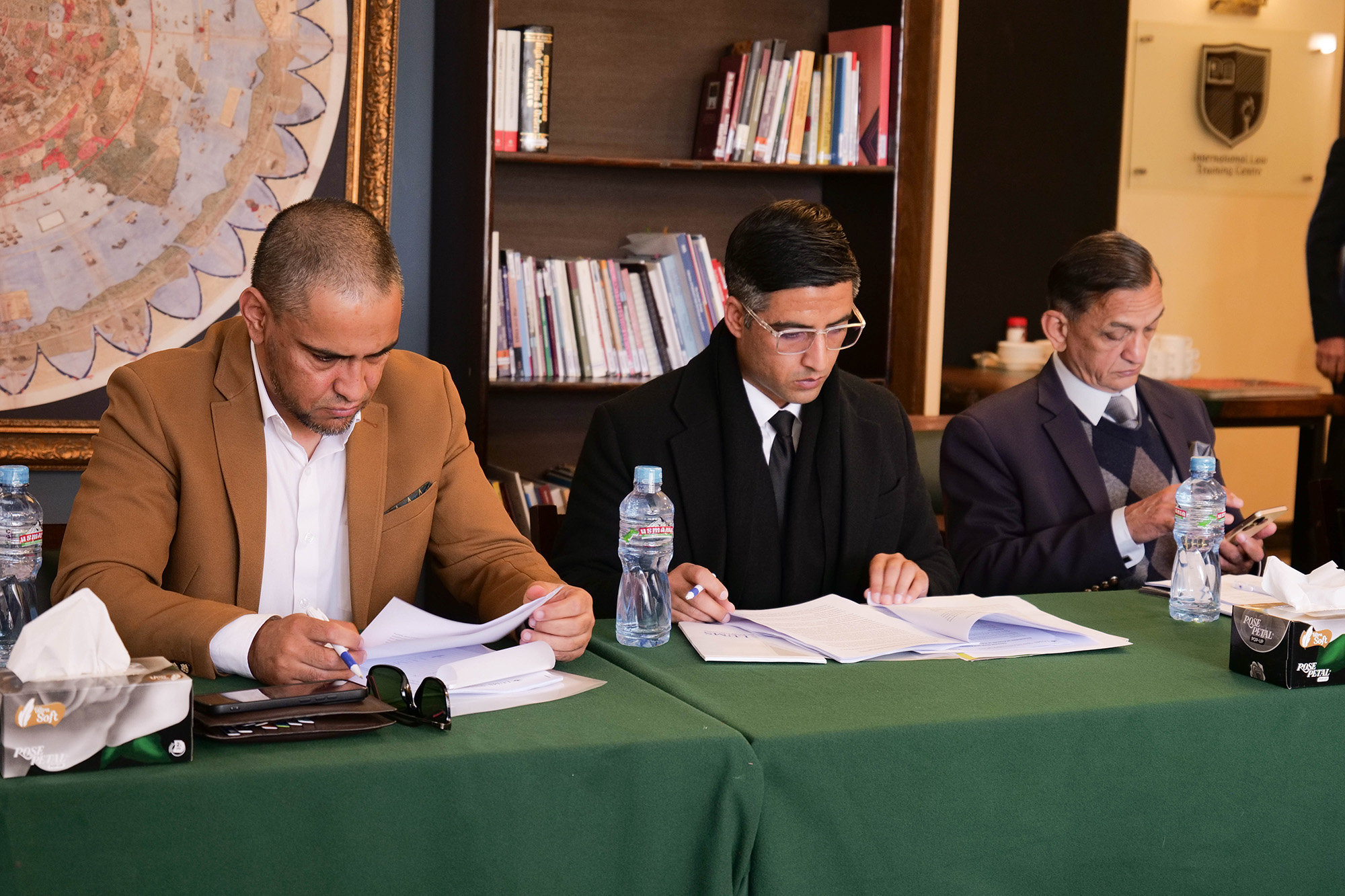
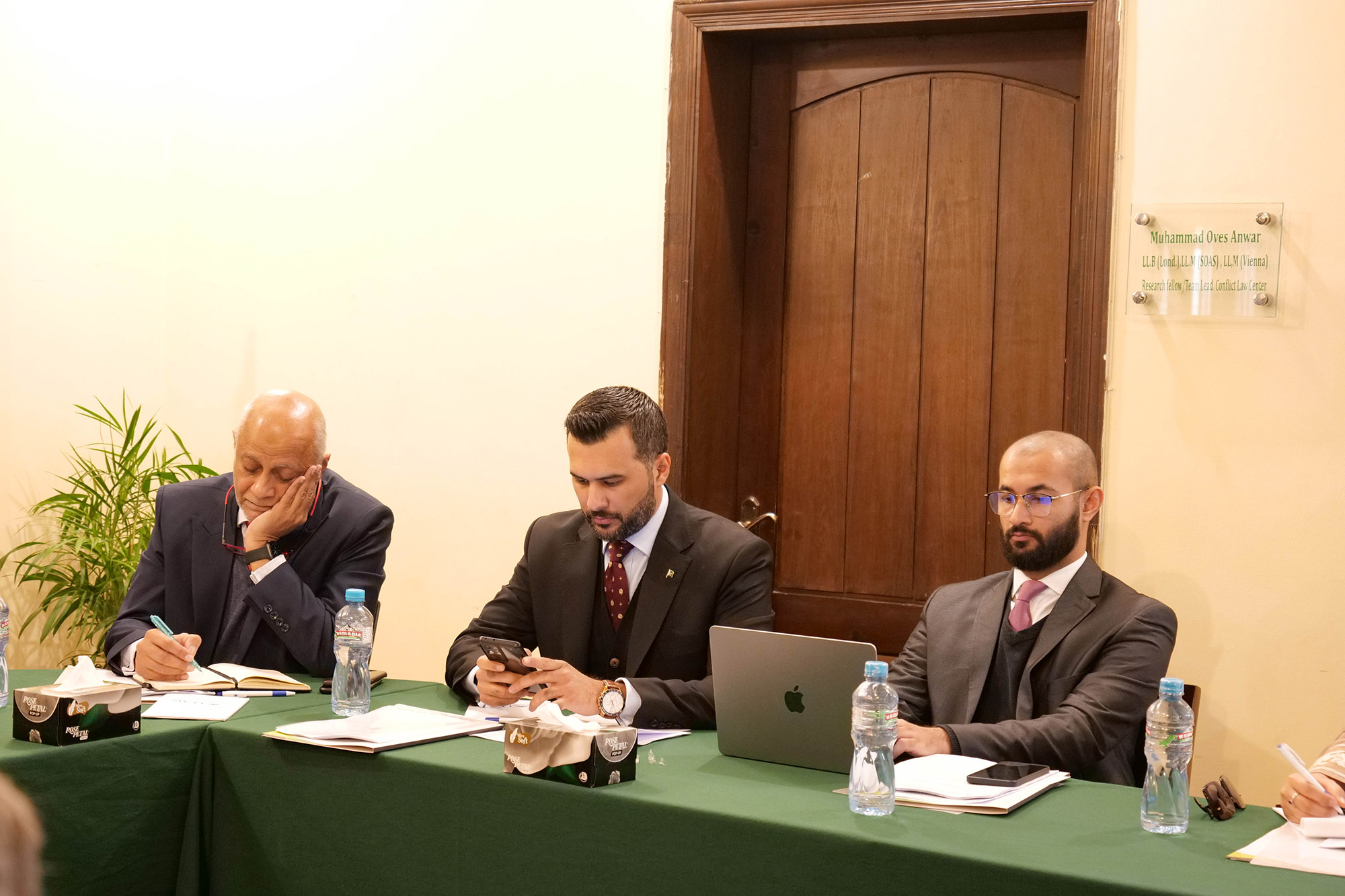
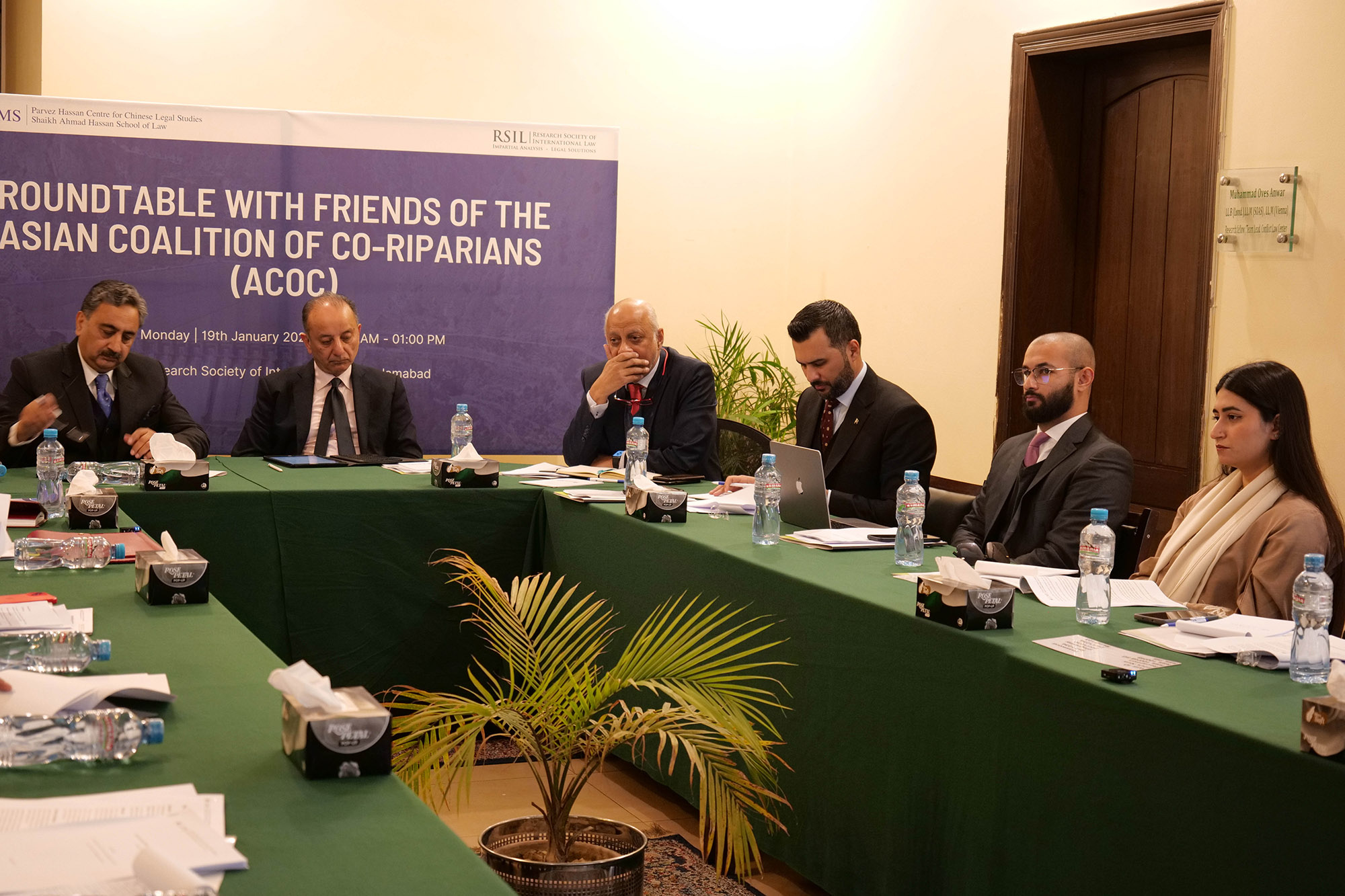
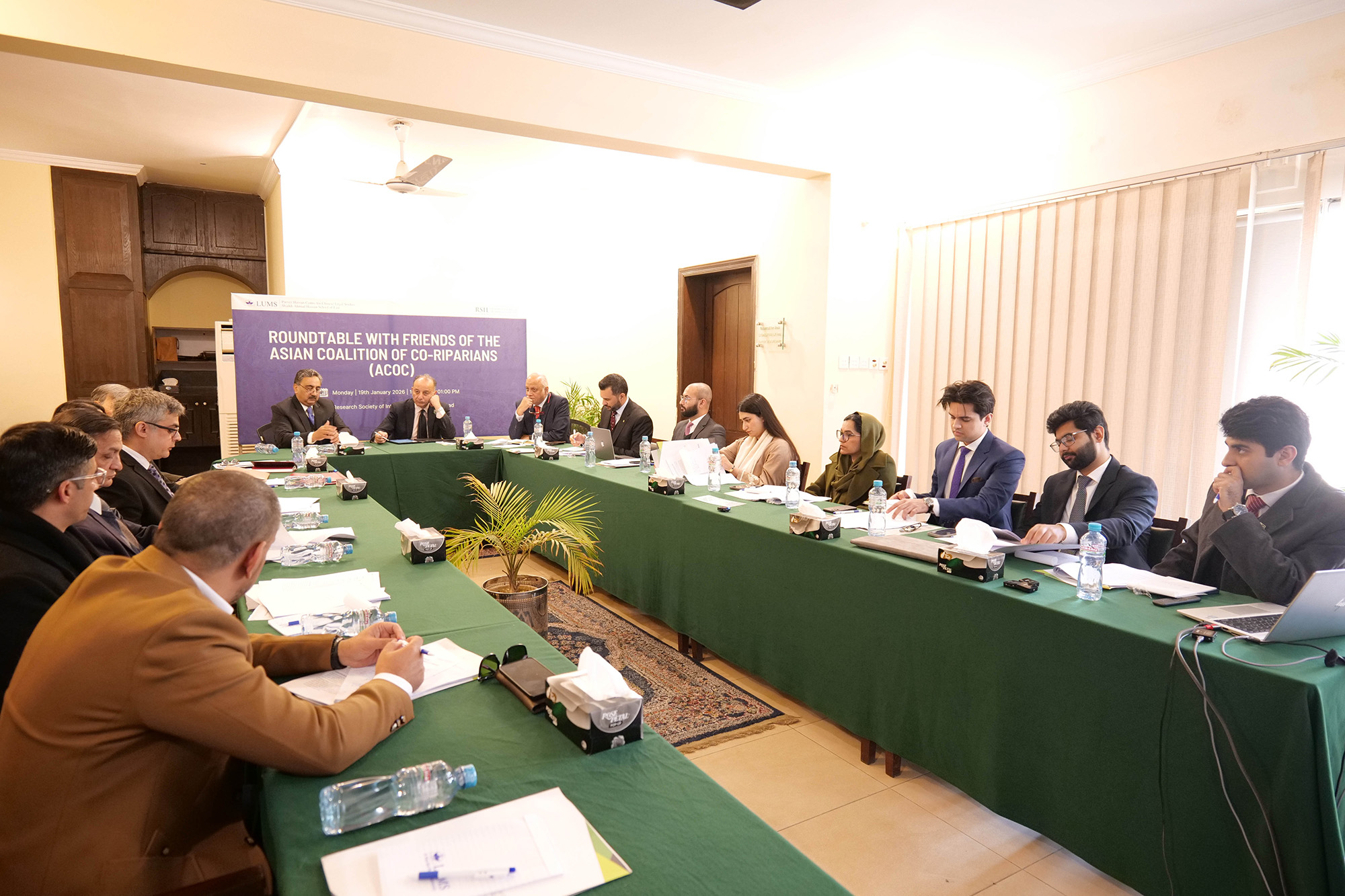
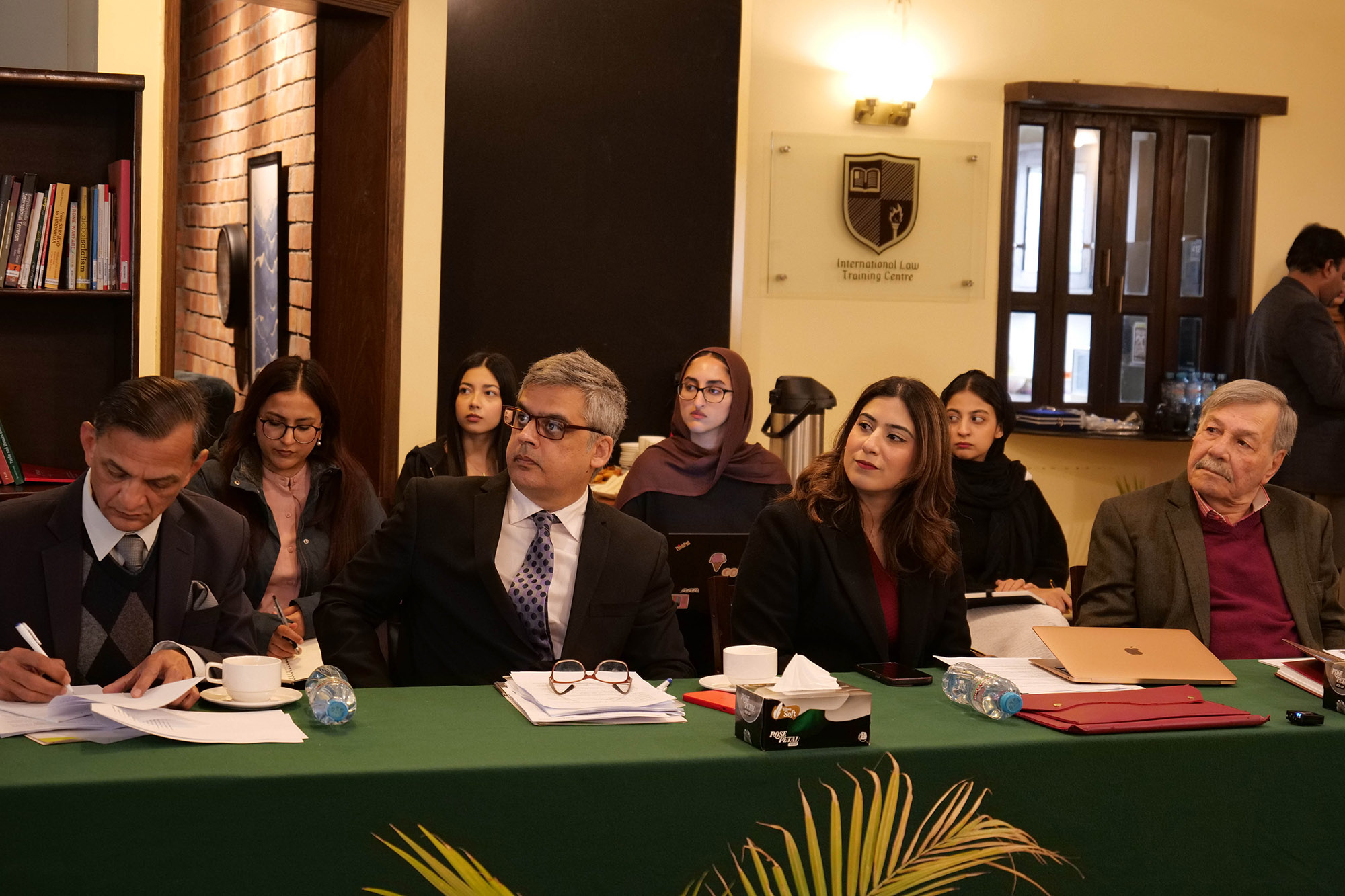
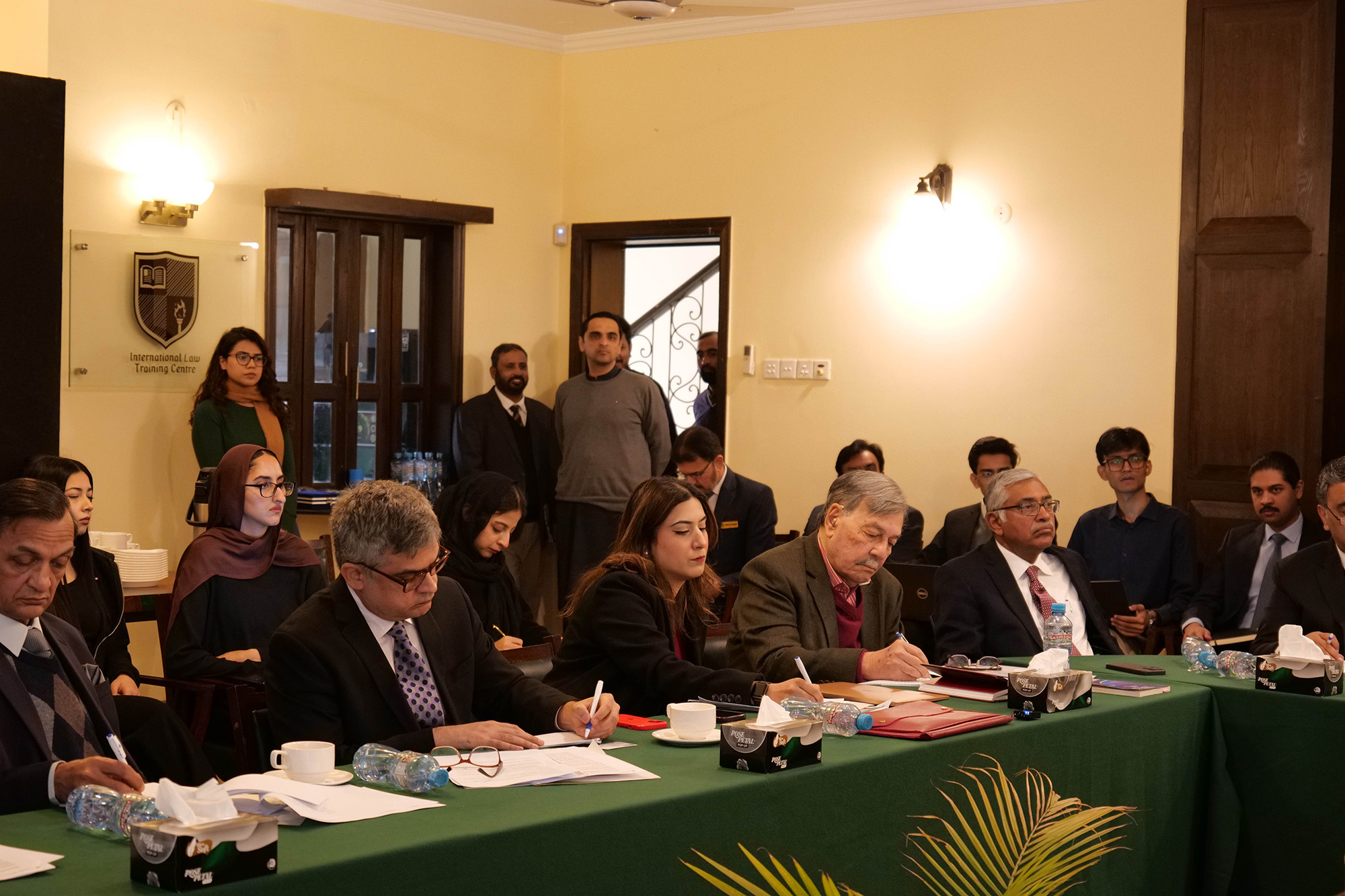
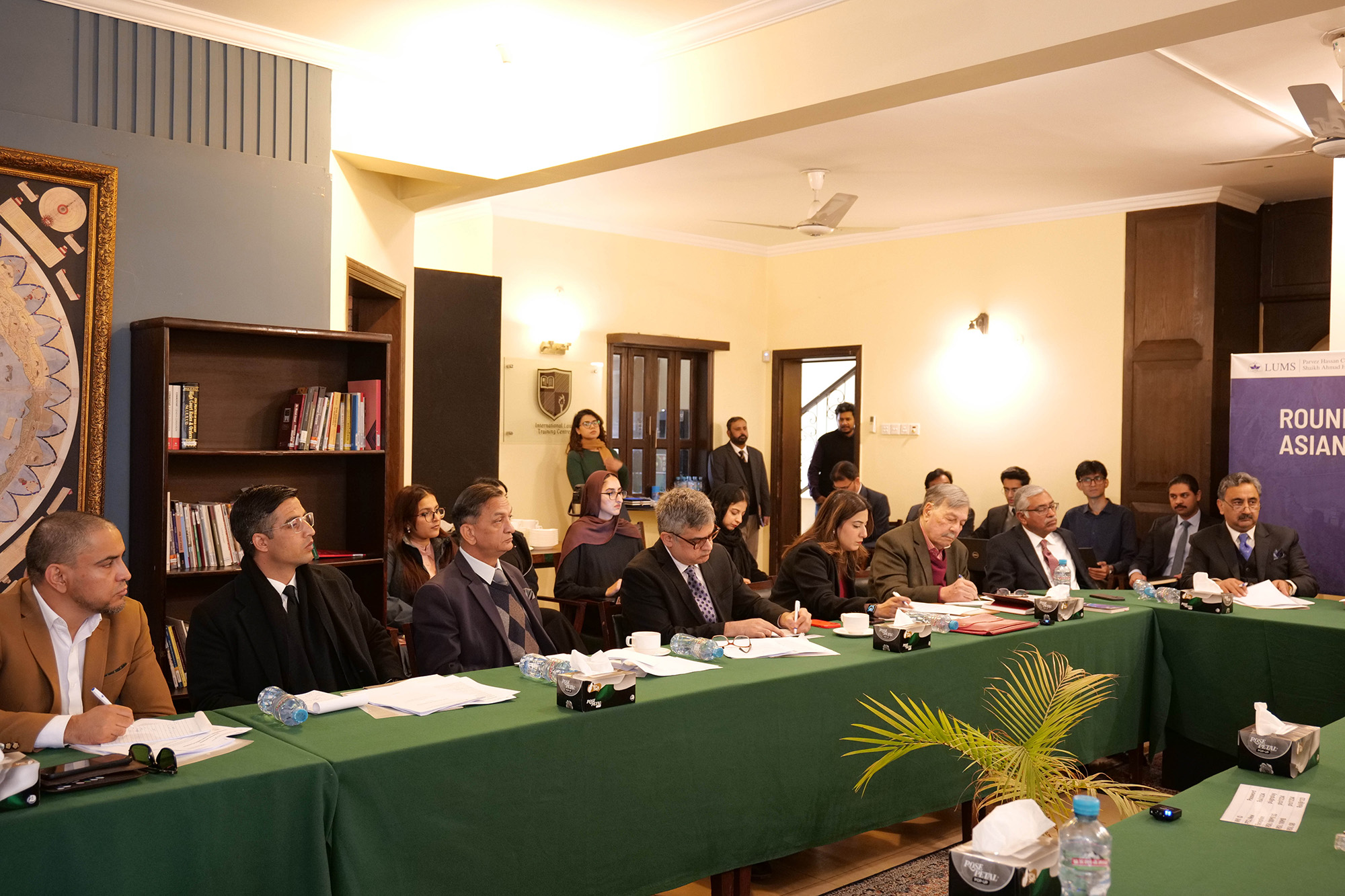
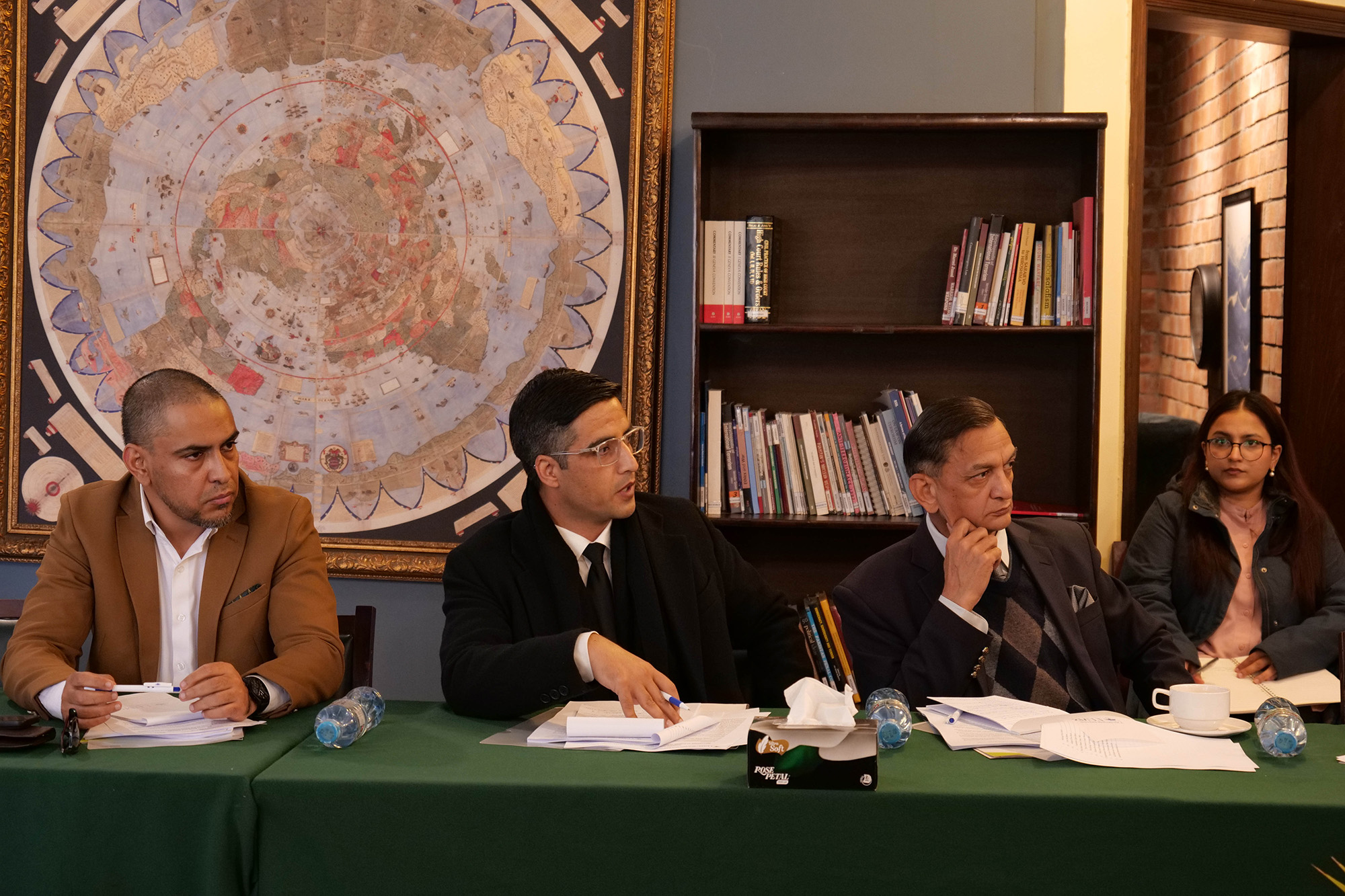
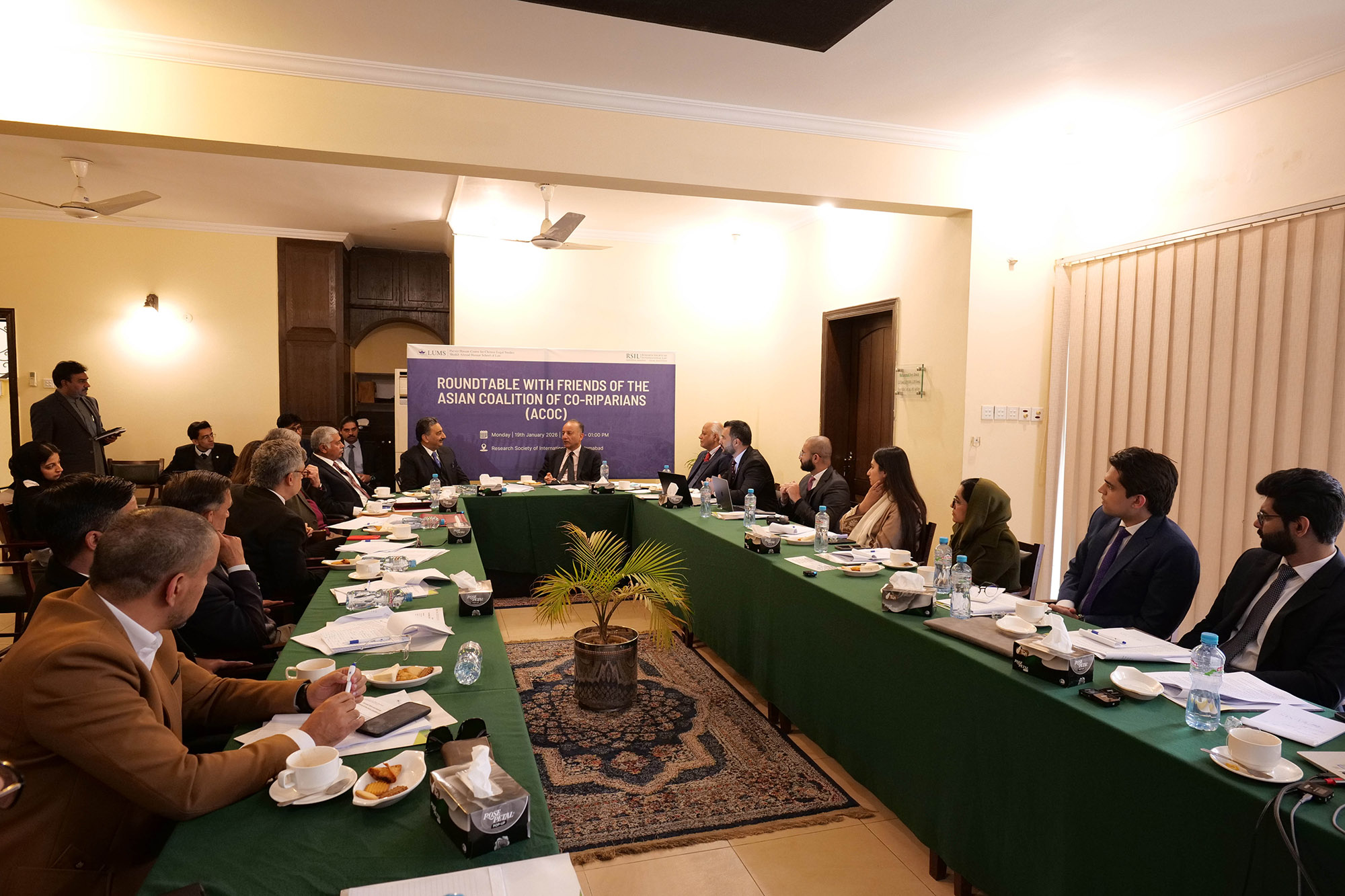
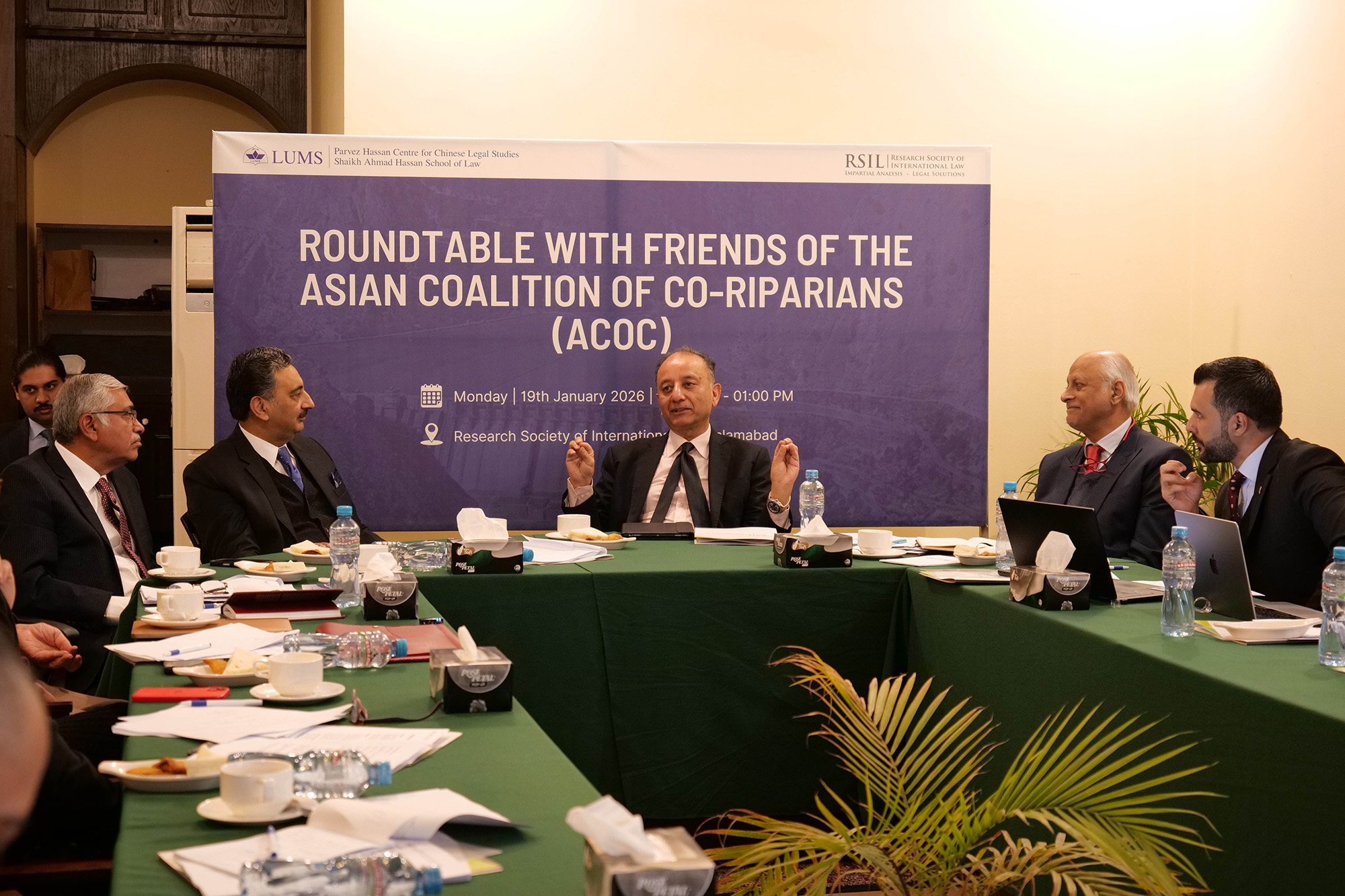
The Parvez Hassan Centre for Chinese Legal Studies (PHCCLS) at the Shaikh Ahmad Hassan School of Law (SAHSOL), LUMS, in collaboration with the Research Society of International Law (RSIL), hosted the inaugural Roundtable with Friends of the Asian Coalition of Co-Riparians (ACoC) at RSIL, Islamabad. The roundtable brought together leading academics, legal practitioners, policy experts, and government officials to help chart ACoC’s strategic direction over the next three to five years, marking a key step in advancing cooperative, law and evidence-based approaches to trans-boundary water governance in South and Central Asia.
The roundtable was led by Mr. Ahmer Bilal Soofi, Founder of RSIL and Managing Partner at ABS & Co.; and Dr. Sikander Ahmed Shah, Director of PHCCLS. Participants included Mr. Hamid Sharif, Senior Partner, Samdani Qureshi Aqlaal & President, Global Think Tank Network; Mr. Shafqat Kakakhel, Former UN Assistant Secretary-General and Expert in Climate Diplomacy; Dr. Musadaq Malik, Economist and Federal Minister for Climate Change and Environmental Coordination; Mr. Rafay Alam, Environmental Lawyer; Dr. Abid Hussain, International Water Law Expert; Mr. Muhammad Ali, Representative from the Attorney General Office’s International Disputes Unit; Ms. Khadija Khanum, Researcher at IPRI; Mr. Taimur Fahad Khan, Researcher at ISSI; Dr. Bushra Bibi, Assistant Professor and Head of Department at Bahria University Law School; Dr. Muhammad Yasir, Hydrologist at the World Bank-funded MHSP Project & Meteorological Department Islamabad; Mr. Azeem Ali Shah, Representative of the International Water Management Institute, Lahore; and Dr. Hassan Abbas, Consultant.
The discussions emphasized the overarching purpose of ACoC as a credible platform that strengthens regional water governance through research, capacity-building, policy advice, and collaborative dialogue. Participants stressed that technically rigorous research combining law, hydrology, and climate science is crucial to support policy, counter strategic narratives, and protect lower riparian interests under changing climate and geopolitical conditions.
Experts identified priority areas for the next three to five years, including:
- Evidence-Based Research: Producing peer-reviewed publications and maintaining a central repository to inform regional policy and debate.
- Capacity-Building: Structured programmes for civil servants, diplomats, negotiators, academics, and private sector representatives to address expertise gaps in Pakistan.
- Climate and Glacial Risk: Commissioning scientific studies on glacier melt and river flows, framing shared rivers’ survival as a regional responsibility.
- Track-2 Engagement: Prioritizing civil society and academic dialogue as a first step toward influencing government-level cooperation in politically sensitive contexts.
- Comparative Learning: Studying international and regional river governance models to identify best practices and guide ACoC’s strategy.
Speakers noted that government-to-government engagement on water remains highly sensitive, emphasizing the importance of building trust, shared evidence frameworks, and regional knowledge networks. The roundtable also covered operational priorities, including advisory deliverables, partnership building, knowledge management, and sustainable funding mechanisms to ensure ACoC’s long-term impact.
The discussions culminated in a consensus on a phased 3-5 year roadmap, beginning with establishing credibility through research and Track-2 dialogue, scaling capacity-building and advisory functions, and ultimately expanding ACoC’s reach to multiple river basins across Asia.
Through initiatives like this roundtable, PHCCLS reinforces its commitment to building institutional capacity, advancing regional expertise, and producing research that informs policy, contributing to the evolving landscape of trans-boundary water governance in Asia.